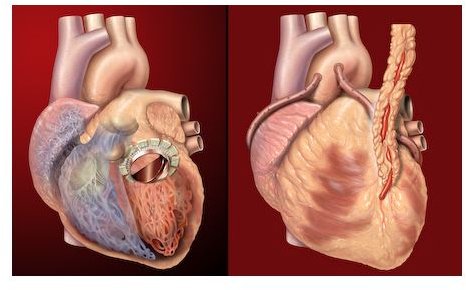
Can heart disease be reversed? The American Heart Association estimates that over 81 million Americans have some form of heart disease. Over one-third of all deaths in 2007 were attributed to this deadly condition. Yet, some of the main risk factors like obesity are controllable.
Heart Disease Statistics
Heart disease is the nation’s number one cause of death. There are many forms of cardiovascular disease including high blood pressure and coronary heart disease. While you cannot control the genetic factors affecting your risk, lifestyle changes may offer hope for managing your health.
High cholesterol sets the stage for coronary heart disease through the formation of plaque within the arteries. Despite efforts to educate the public, over 33 million Americans have total cholesterol levels over 240 mg/dL. Normal cholesterol is under 200 mg/dL. Equally sobering figures exist with high blood pressure, with less than half of diagnosed patients having their condition under control.
Opportunities to Reverse Risk Factors
Can heart disease be reversed? The ability for heart disease to be controlled depends upon the stage of illness and the type of heart disease. Unfortunately, some individuals may not know they have heart disease until their condition takes them to the hospital following chest pains.
Blockages in the coronary arteries can be successfully treated with the angioplasty and stent procedures. The goal of these procedures is to open a narrowed artery and to prevent another blockage. Treatment is followed up by cholesterol management. As long as the patient sticks with his doctor’s recommendations, the disease will essentially be reversed.
Blood Pressure and Heart Disease
Controlling existing conditions provides other ways to reverse the course of heart disease. Hypertension can cause an eventual weakening of the blood vessels due to the high pressure within the arteries. Medications can block certain biological processes which can contribute to high blood pressure.
Exercise and diet also offer effective ways to manage these conditions. Exercise can lower blood pressure by increasing the efficiency of the cardiovascular system, resulting in a lower resting heart rate. It can promote the flexibility of the blood vessels to provide further health benefits.
Controlling sodium in your diet can help reduce blood volume by preventing water retention. With greater volume, the heart must work harder. The “Dietary Guidelines for Americans, 2010” recommend reducing your intake of processed foods to control salt in your diet. The guidelines estimate that over 75 percent of the average American’s sodium consumption comes from prepared and processed foods.
Dietary Supplements
Some dietary supplements may also offer ways to halt the progression of heart disease. Fish oil, for example, is one of the few dietary supplements approved by the U.S. Food and Drug Administration to reduce the risk for coronary heart disease.
Another supplement that shows promise is niacin. This vitamin supports natural control of cholesterol through an increase in HDL or good cholesterol, explains Mayo Clinic. HDL helps the body rid itself of cholesterol. These supplement offer hope for patients that have difficulty with taking statin drugs to control cholesterol.
Can heart disease be reversed? In some cases, the answer is yes. You can control some risk factors which affect your cardiovascular system. Diet, exercise and medical intervention offers ways to reverse the effects of heart disease to improve your quality of life.
References
American Heart Association: Cardiovascular Disease Statistics heart.org
American Heart Association: Cardiac Procedures and Surgeries heart org
W. Guo, et al. Effects of aerobic exercise on lipid profiles and high molecular weight adiponectin in Japanese workers. Internal Medicine, March 2011; 50(5):389-395.
Mayo Clinic: Niacin to Boost Your HDL, ‘Good,’ Cholesterol mayoclinic.com
U.S. Food and Drug Administration: FDA Announces Qualified Health Claims for Omega-3 Fatty Acids fda.gov
Photo by Walter Groesel, stock.xchng