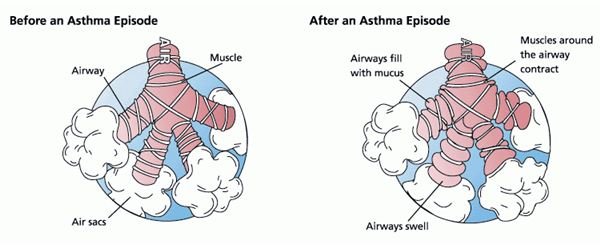
Learning what causes asthma attacks is an important part of prevention and treatment of the chronic disease. Several asthma triggers initiate attacks.
Asthma Facts
Of the 300 million people worldwide with asthma, approximately 20 million live in the United States. Asthma is a chronic disease of the respiratory system. The two types of asthma, extrinsic and intrinsic, cause around half a million hospital
stays every year in the U.S. Extrinsic asthma is triggered by allergic reactions. Intrinsic asthma attacks are not allergy related. The underlying problem of what causes asthma attacks is chronic inflammation. The lining in the airways becomes inflamed due to asthma triggers. This inflammation leads to fluid retention in the airway cells and muscle constriction around the airways. The result is an asthma attack.
Asthma Attack Symptoms
The symptoms of an asthma attack are usually easy to identify no matter the underlying type or cause. Asthma symptoms include:
- Coughing, including night time episodes
- Wheezing
- Shortness of breath
- tightness in the chest
- Difficulty exercising
- Sleep disturbance
Severe symptoms or symptoms that continue after medication is administered should be treated as an emergency. Asthma can be misdiagnosed as another respiratory issue, such as chronic bronchitis. A qualified health care provider should perform assessment tests to confirm asthma or any other diagnosis.
Asthma Attack Triggers
Extrinsic asthma triggers include any allergens that you respond to. Allergen examples include animal dander, mold, dust, various foods and pollen. When the allergen enters your body, your immune systems over-reacts seeing the allergen as harmful. The reaction for asthmatics causes asthma symptoms, including wheezing, coughing and fluid build-up, along with allergy symptoms like excessive mucus. Intrinsic asthma triggers can be harder to identify and cause symptoms such as shortness of breath and chest tightness. Non-allergic asthma causes include stress, anxiety, cold air, dry air, smoke and exercise. Some people have asthma attacks caused by the environment. For example, fumes or chemical cleaners trigger attacks in susceptible individuals.
Asthma Treatments
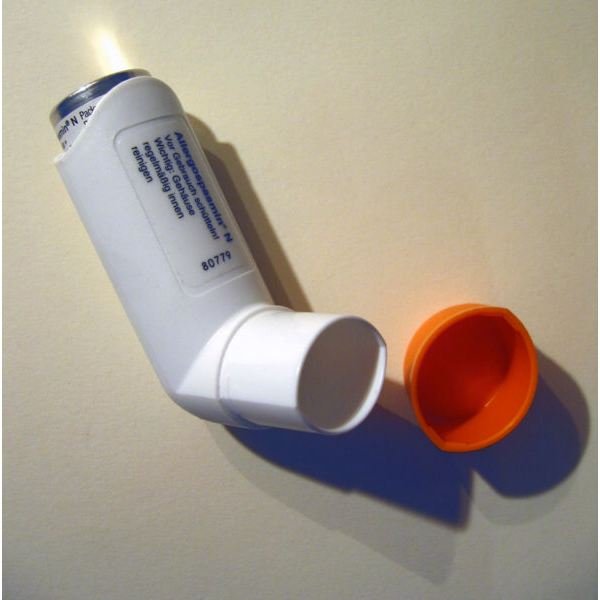
Once you isolate what causes asthma attacks, you can narrow down which treatments will work best for you . The first step to eliminate asthma causes is prevention and forming an asthma action plan. The action plan will help you identify when your attacks occur and track any changes in your condition. Avoiding any known triggers will help prevent attacks. Your doctor may prescribe an anti-inflammatory medication to ease the chronic inflammation. Extrinsic asthma treatment might also include an allergy medication to control the allergic response or immunotherapy, or allergy shots. Asthmatics will also be treated with inhaled medication, such as albuterol or corticosteroids. Your health care provider will discuss medication options , side effects and alternative treatments, such as breathing techniques, with you.
References
AAFA: Asthma
https://www.aafa.org/display.cfm?id=8
Mayo Clinic: Asthma
https://www.mayoclinic.com/health/asthma/DS00021
University of Maryland Medical Center: Asthma Guide
https://www.umm.edu/careguides/000175.htm
Images from Wikimedia Commons
Image 1: U.S. Government, Public Domain
Image 2: Magnus Manske